Water Therapy for Stress and Burnout: How Hydrotherapy Resets Your Nervous System, Lowers Cortisol, and Restores Mental Clarity
Why Water Is One of the Most Effective Stress-Relief Tools
Chronic stress and burnout have reached epidemic proportions, the World Health Organisation officially recognised burnout as an "occupational phenomenon" in 2019, and post-pandemic stress levels remain elevated worldwide. While medication and talk therapy are critical tools, water-based therapy offers something uniquely powerful: immediate, measurable physiological changes that shift the body from sympathetic (fight-or-flight) to parasympathetic (rest-and-digest) dominance within minutes of immersion.
When you submerge in warm water, several things happen simultaneously: hydrostatic pressure redistributes blood flow toward the heart, warm water triggers vasodilation and reduces muscle tension, buoyancy reduces gravitational stress on the body, and the sensory experience of water creates a meditative-like state. Together, these effects create a rapid neurological "reset" that is difficult to achieve through other modalities.
For the underlying mechanisms, see the science behind hydrotherapy. For the broader mental health picture, our article on mental health benefits of hydrotherapy covers depression, anxiety, and emotional wellbeing.
The Neuroscience of Water and Stress
Research has identified several pathways through which water immersion affects the stress response:
Cortisol and the HPA Axis
Warm water immersion (34 to 38°C) has been shown to reduce salivary cortisol levels by 20 to 35% within a single session. This is significant because chronic cortisol elevation (the hallmark of burnout) drives fatigue, cognitive impairment, immune suppression, and metabolic dysfunction. Regular warm water immersion helps recalibrate the hypothalamic-pituitary-adrenal (HPA) axis, restoring normal cortisol rhythms over time.
Autonomic Nervous System Shift
Heart rate variability (HRV) studies show that warm water immersion increases parasympathetic (vagal) tone within 5 to 10 minutes. Higher vagal tone is associated with better stress resilience, improved emotional regulation, and faster recovery from stressful events. Cold water immersion activates a different pathway, an acute sympathetic response followed by a parasympathetic rebound that can be equally beneficial for stress adaptation.
Neurochemical Changes
| Neurochemical | Effect of Warm Water Immersion | Impact on Stress/Burnout |
|---|---|---|
| Cortisol | Decreased 20 to 35% | Reduced stress response, improved sleep, clearer thinking |
| Beta-endorphins | Increased | Natural pain relief, mood elevation, sense of wellbeing |
| Serotonin | Increased (indirect via warmth and relaxation) | Mood stabilisation, reduced anxiety |
| Norepinephrine | Decreased in warm water; increased in cold water | Warm: calming. Cold: alertness and focus |
| GABA | Potentially increased (magnesium absorption in Epsom baths) | Reduced anxiety, improved sleep |
Water Therapy Protocols for Stress and Burnout
The Evening Reset Bath
Purpose: Triggers the thermoregulatory sleep cascade and deactivates the stress response before bed.
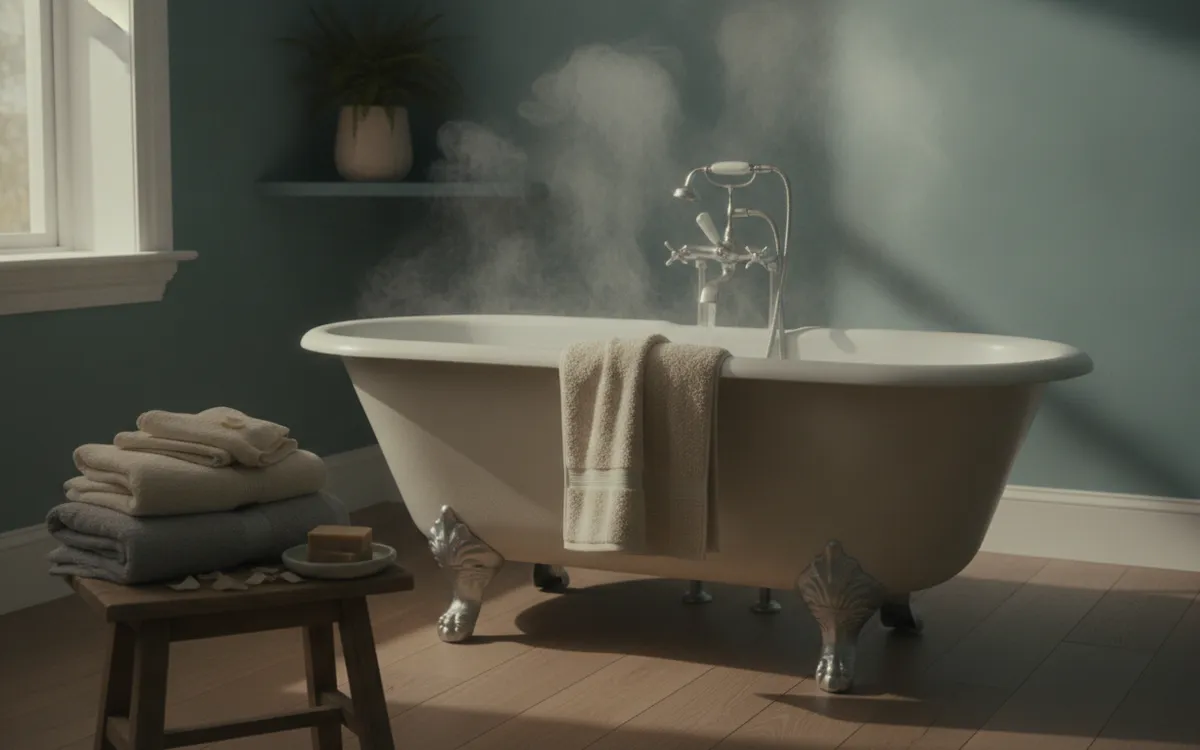
How: Fill your bathtub with water at 38 to 40°C (100 to 104°F). Add 400g Epsom salt if available. Immerse for 15 to 20 minutes, finishing 60 to 90 minutes before your planned bedtime. Focus on slow, deep breathing, inhale for 4 counts, hold for 4, exhale for 6. Allow the warm water to fully relax your muscles. Rise slowly, and allow your core temperature to gradually drop, which signals the brain to produce melatonin.
Why: This protocol combines cortisol reduction (warm water), potential magnesium absorption (Epsom salt), and the thermoregulatory sleep effect (core temperature drop after the bath triggers sleepiness). For more on this mechanism, see our sleep and hydrotherapy guide.
Cold Water Resilience Training
Purpose: Builds stress tolerance and activates the norepinephrine-driven alertness system, combating burnout's characteristic brain fog.
How: End your regular shower with 30 to 60 seconds of cold water (15 to 20°C / 59 to 68°F). Focus on controlling your breathing, the initial gasp response is normal. Over 2 to 4 weeks, gradually increase cold exposure duration to 2 to 3 minutes. The goal is controlled discomfort, not extreme cold.
Why: Cold water immersion triggers a norepinephrine surge (200 to 300% increase) that improves focus, energy, and mood. Regular cold exposure trains the stress response system, making you more resilient to everyday stressors. See our guide on hydrotherapy vs cryotherapy for temperature comparisons, and cold water benefits for recovery applications.
Contrast Therapy for Emotional Regulation
Purpose: Alternating warm and cold water creates a cardiovascular "workout" that improves emotional resilience and energy levels.
How: Alternate between 3 minutes of warm water (38°C) and 1 minute of cool water (18 to 22°C). Complete 3 to 4 cycles, ending on cold. This can be done with a shower (alternating temperature), two basins (for hands or feet), or between a warm pool and cold plunge.
Why: The repeated vasodilation-vasoconstriction cycle trains the autonomic nervous system to shift more efficiently between sympathetic and parasympathetic states, essentially improving your body's "stress gear-shifting" ability. Full protocol details are in our contrast therapy guide.
Aquatic Mindfulness Session
Purpose: Combines the sensory dampening effects of water with mindfulness practice for deep relaxation.
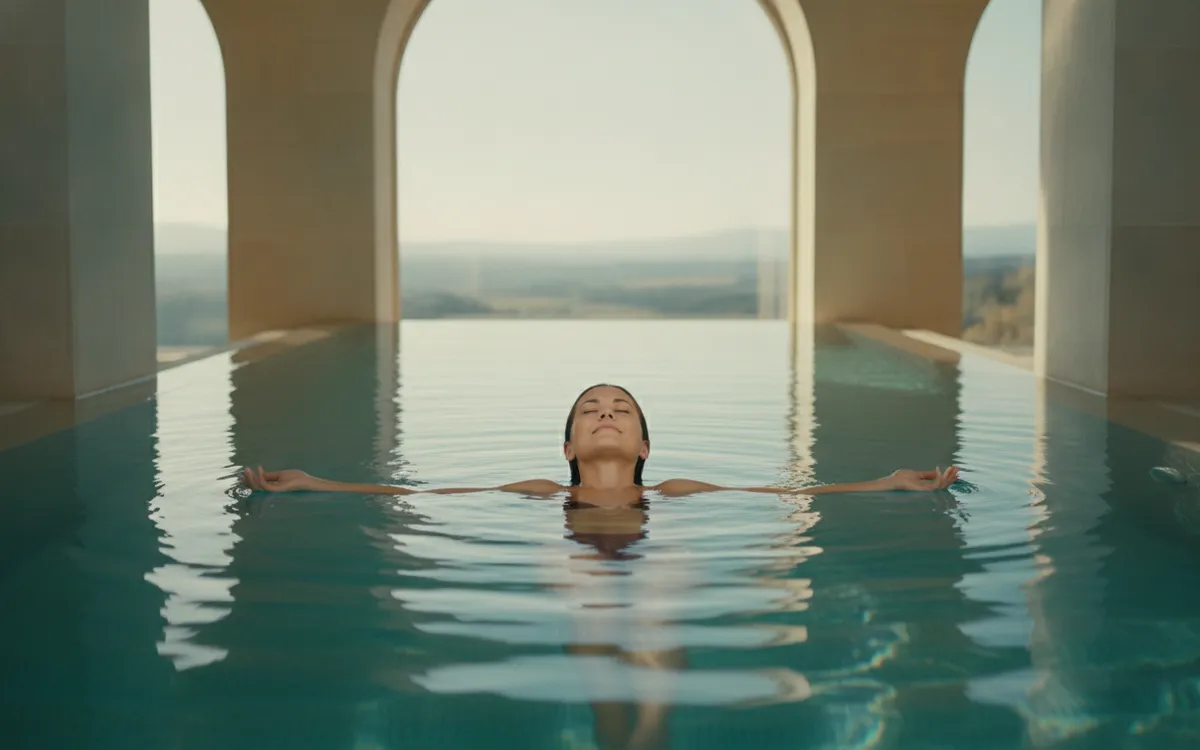
How: In a warm pool or bathtub, float or sit comfortably. Close your eyes. Focus on the sensation of water against your skin, the gentle pressure of immersion, and the sound of water. Practice body scanning, mentally move from your feet upward, noting each area's contact with water. Spend 10 to 15 minutes in this meditative state. Add gentle, slow movements if your mind wanders.
Why: Water reduces external sensory input (gravity, temperature variations, ambient noise), creating conditions similar to sensory deprivation that deepen meditative states. This is related to the therapeutic principles behind floatation therapy. Explore aqua yoga for a more structured meditative water practice.
Building a Weekly Stress-Management Water Routine
| Day | Protocol | Duration | Primary Benefit |
|---|---|---|---|
| Monday | Morning cold shower finish | 60 seconds cold | Alertness, energy for the week |
| Tuesday | Evening warm bath (Epsom salt) | 15 to 20 minutes | Cortisol reduction, muscle relaxation |
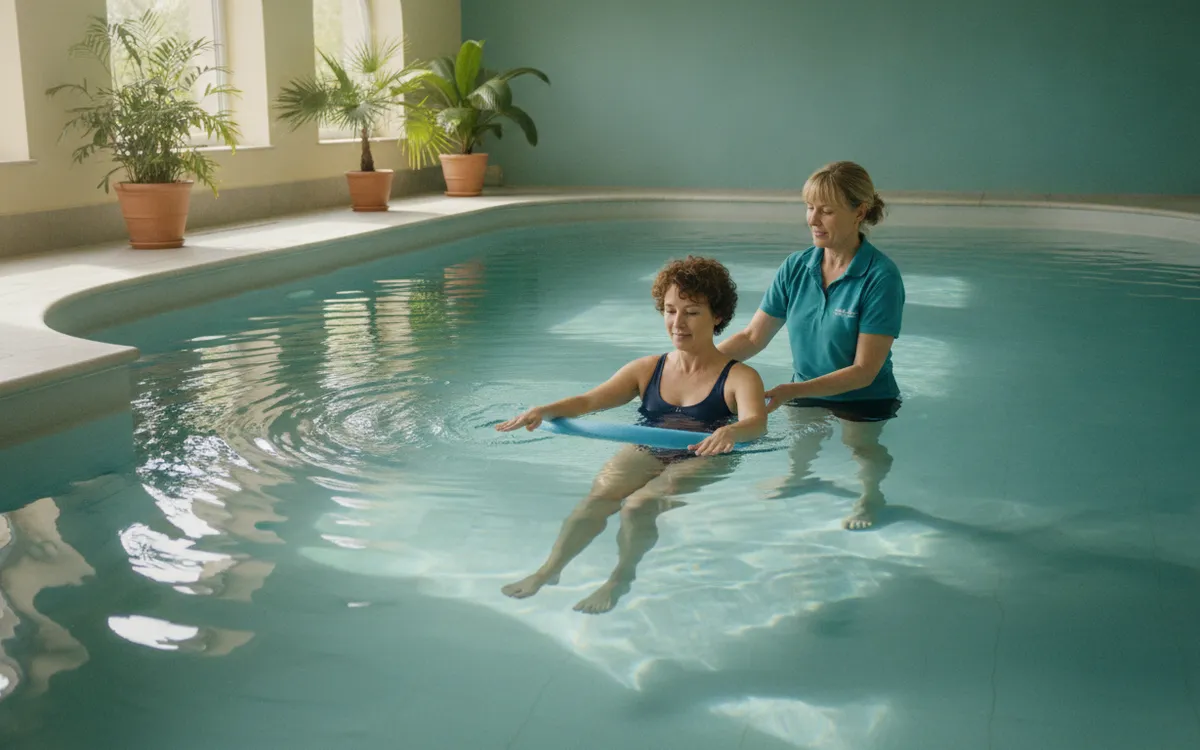
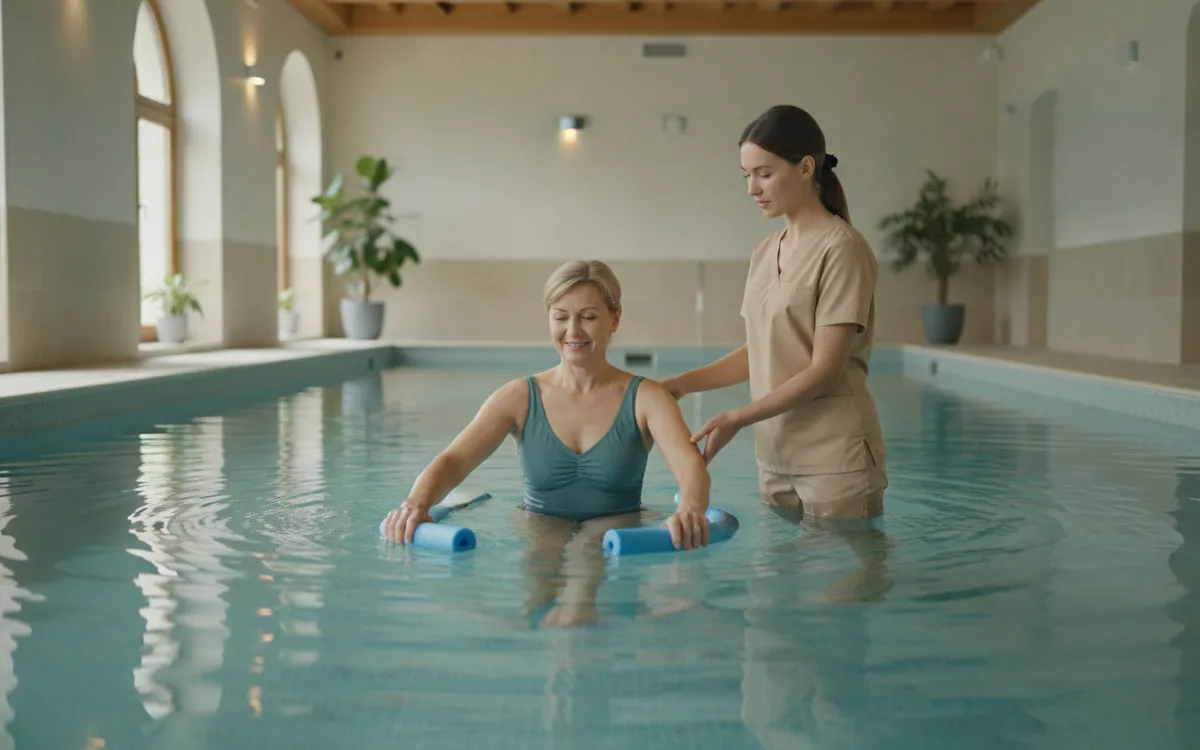
| Wednesday | Aquatic exercise (pool) | 30 to 40 minutes | Endorphin release, physical fitness |
| Thursday | Morning contrast shower | 12 minutes total | Cardiovascular training, resilience |
| Friday | Evening warm bath with mindfulness | 15 to 20 minutes | Deep relaxation, week-end reset |
| Saturday | Pool session or nature swim | 30 to 60 minutes | Full-body movement, outdoor benefits |
| Sunday | Long warm bath or spa session | 20 to 30 minutes | Rest and recovery, sleep preparation |
For help setting up your home water therapy program, see our complete home routine guide and equipment recommendations.
When Stress Requires More Than Water Therapy
Water therapy is a powerful complement to stress management, but it's important to recognise when professional support is needed:
- Persistent burnout symptoms lasting more than 2 to 3 months despite lifestyle changes warrant professional evaluation
- Depression or anxiety that interferes with daily functioning requires mental health support, water therapy can complement but not replace evidence-based treatments
- Physical symptoms like chronic headaches, digestive issues, or unexplained pain may indicate stress-related conditions requiring medical assessment
- Substance use as a coping mechanism is a sign to seek professional help
Hydrotherapy works best as part of a holistic stress management approach that includes adequate sleep, regular exercise, social connection, and professional support when needed.
Frequently Asked Questions
Can a hot bath really reduce stress hormones?
Yes. Multiple studies have measured salivary cortisol levels before and after warm water immersion and found reductions of 20 to 35% in a single session. The combination of warm water, hydrostatic pressure, and sensory relaxation activates the parasympathetic nervous system and reduces HPA axis activation. Regular warm bathing (3 to 5 times per week) can help restore healthy cortisol rhythms that are disrupted by chronic stress.
Is cold water or hot water better for stress?
Both work, but through different mechanisms. Warm water (37 to 40°C) directly calms the nervous system, reduces cortisol, and promotes relaxation, ideal for evening stress relief and sleep preparation. Cold water (10 to 20°C) triggers an acute stress response followed by a mood-boosting norepinephrine surge, better for morning energy, focus, and building stress resilience over time. For comprehensive benefits, combine both through contrast therapy.
How quickly does water therapy help with burnout?
Acute effects (mood improvement, muscle relaxation, cortisol reduction) occur within a single session. For sustained burnout recovery, most people notice meaningful improvement after 2 to 3 weeks of consistent water therapy practice (3 to 5 sessions per week). Full burnout recovery typically takes 3 to 6 months and benefits from combining water therapy with other lifestyle changes, boundary setting, and potentially professional support.
Can swimming help with anxiety?
Yes. Swimming combines rhythmic breathing, repetitive movement, cardiovascular exercise, and water immersion, all of which independently reduce anxiety. Studies show regular swimming reduces anxiety symptoms comparably to land-based exercise, with the added benefit of water's sensory calming effect. Even non-swimming water activities like walking in a pool or gentle aquatic exercise provide anxiety-reducing benefits through the same immersion mechanisms.
What's the best time of day for a stress-relief bath?
For sleep improvement, take a warm bath 60 to 90 minutes before bedtime, the subsequent core temperature drop signals your brain to produce melatonin. For morning energy, a brief cold shower exposure works best. For mid-day stress relief, a 10 to 15 minute warm soak can reset cortisol levels. The most important factor is consistency, a regular water therapy practice at any time produces better long-term results than occasional use.