Hydrotherapy for Peripheral Neuropathy: Water-Based Exercises to Manage Numbness, Tingling, and Nerve Pain
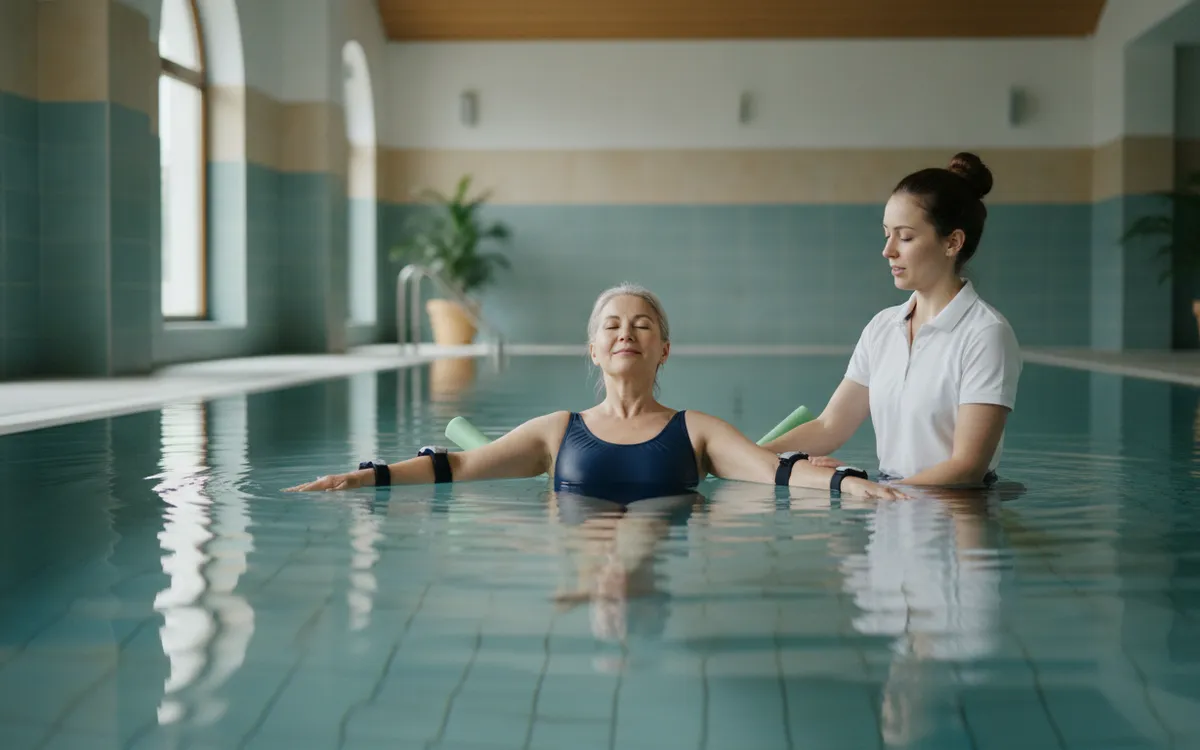
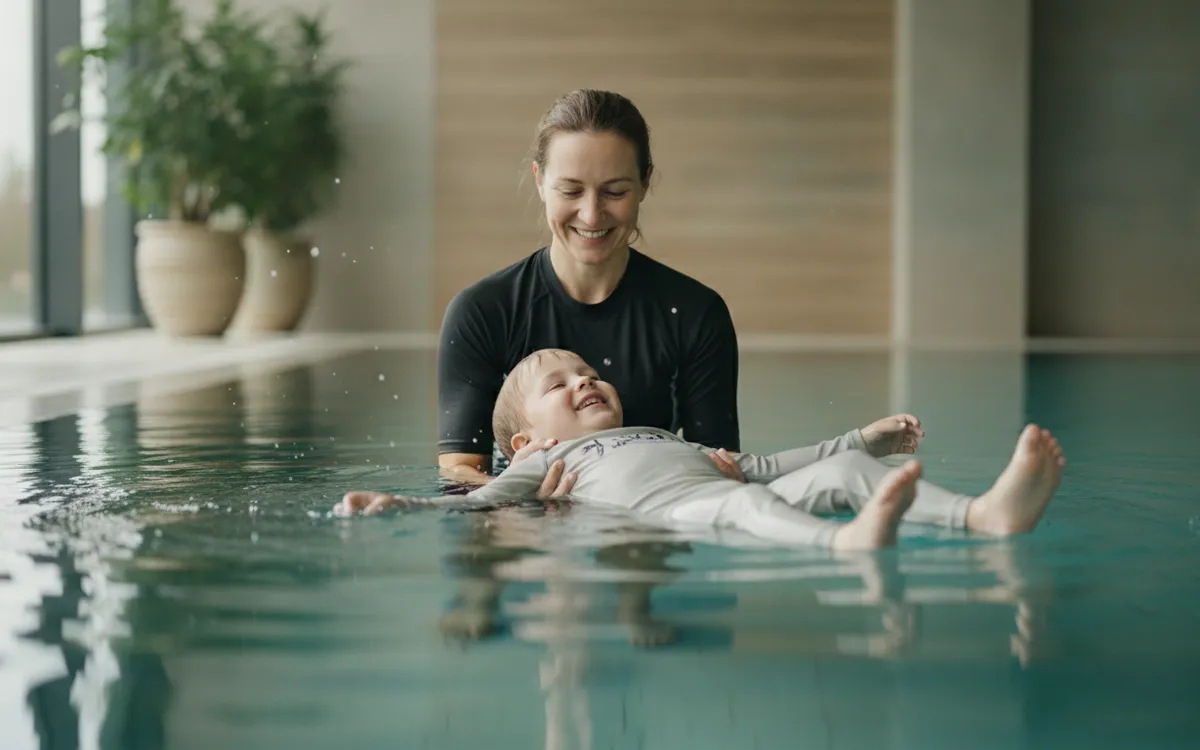
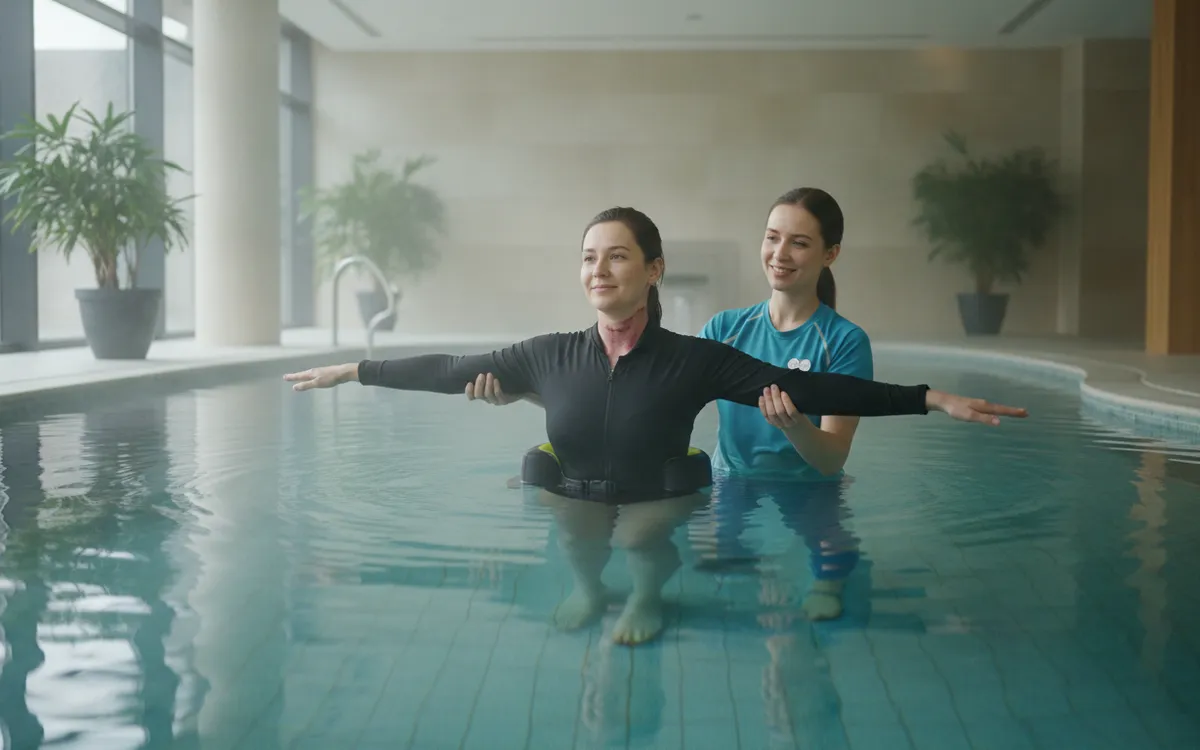
In a therapy pool, buoyancy reduces pressure on painful feet, hydrostatic pressure improves the circulation that damaged nerves desperately need, and the water environment provides a safety net where a loss of balance does not result in a dangerous fall. For the estimated 20 million people in the US living with peripheral neuropathy, water-based exercise may be the most accessible and effective form of physical therapy available.
Why Water Therapy Helps Neuropathy
The mechanisms of hydrotherapy align precisely with the needs of neuropathy patients:
- Reduced foot pressure: Buoyancy reduces weight through the feet by 50-90% depending on water depth, dramatically reducing the pain that makes land-based walking unbearable for many neuropathy patients
- Improved circulation: Warm water causes vasodilation, increasing blood flow to peripheral tissues including damaged nerves. Hydrostatic pressure additionally enhances venous return, creating better overall circulation to the extremities. See our warm water benefits guide for the science
- Sensory stimulation: The constant input from water pressure, temperature, and movement on the skin provides sensory stimulation that may help maintain or retrain remaining nerve function
- Fall prevention: Neuropathy patients have a dramatically increased fall risk due to impaired proprioception (foot position sense). Water eliminates fall injury risk, allowing balance training that would be too dangerous on land
- Pain modulation: Warm water activates pain gate mechanisms, competing with neuropathic pain signals. Endorphin release from exercise provides additional natural pain relief
- Glucose control: For diabetic neuropathy (the most common cause), aquatic exercise helps regulate blood glucose — addressing the root cause of ongoing nerve damage
Research Evidence
| Study | Participants | Protocol | Key Findings |
|---|---|---|---|
| Allet et al., 2023 (Diabetes Care) | 36 diabetic neuropathy patients | 12 weeks, 2x/week aquatic gait training | Significant improvement in gait speed and postural stability; 40% fewer reported near-falls |
| Dixit et al., 2022 (J. Bodywork & Movement Therapies) | 42 type 2 diabetes with neuropathy | 8 weeks aquatic exercise vs. land exercise | Both groups improved nerve conduction; aquatic group had better adherence (88% vs. 67%) and greater pain reduction |
| Taveggia et al., 2023 (Complementary Therapies in Medicine) | 28 chemotherapy-induced neuropathy | 6 weeks aquatic therapy during treatment | Reduced neuropathy severity; maintained functional capacity during chemotherapy |
| Morrison et al., 2022 (Archives of PM&R) | 30 patients with idiopathic neuropathy | 10 weeks warm water exercise | Improved quality of life, reduced pain scores, improved 6-minute walk distance |
Aquatic Exercise Programme for Neuropathy
Water temperature: 33-35°C (91-95°F) for most neuropathy patients. Warm enough for vasodilation and pain relief, but not so hot that it poses a burn risk for patients with reduced sensation. Critical safety note: Because neuropathy reduces temperature sensation, ALWAYS test water temperature with a thermometer rather than relying on how the water feels. Our temperature guide covers safe ranges in detail.
Balance and Fall Prevention (15 Minutes)
This is the most important component for neuropathy patients, as falls are the greatest threat to their safety and independence.
| Exercise | Purpose | How to Perform | Sets/Reps |
|---|---|---|---|
| Weight shifting | Lateral stability | In waist-deep water, shift weight fully from left to right foot, pause 3 sec each side | 10 per side |
| Tandem walking | Narrow base walking | Walk heel-to-toe along pool lane line in waist-deep water | 3 pool lengths |
| Single-leg stance | Unipedal balance | Stand on one foot in waist-deep water, wall nearby, hold 10-30 sec | 3 per leg |
| Walking with direction changes | Dynamic balance | Walk forward then change direction on command (left, right, turn) | 5 min |
| Eyes-closed standing | Proprioceptive challenge | Stand in waist-deep water with eyes closed (wall within arm's reach), hold 15 sec | 5 repetitions |
| Perturbation training | Reactive balance | Partner creates gentle waves while you maintain balance | 8-10 challenges |
Foot and Ankle Strengthening (10 Minutes)
| Exercise | Purpose | How to Perform | Sets/Reps |
|---|---|---|---|
| Calf raises | Ankle strength and stability | Rise on toes holding pool edge, lower slowly | 3 x 12 |
| Toe curls | Intrinsic foot muscle strength | Curl toes around a towel on pool floor | 3 x 10 |
| Ankle circles | Ankle mobility and circulation | Holding pool edge, rotate each ankle 10 times each direction | 10 each way, each foot |
| Heel walking | Dorsiflexor strengthening | Walk on heels in waist-deep water for 10 steps | 3 sets |
| Marble pickup | Toe dexterity and foot sensation | Pick up marbles from pool floor with toes | 10 marbles per foot |
Cardiovascular and Whole-Body (10-15 Minutes)
| Exercise | Purpose | How to Perform | Duration |
|---|---|---|---|
| Water walking | Cardiovascular fitness, gait training | Walk at moderate pace in chest-deep water | 5-10 min |
| Side-stepping | Hip strength, lateral stability | Step sideways across pool, both directions | 3 x pool width each direction |
| Arm exercises | Upper body strength, circulation | Push water paddles forward, sideways, overhead | 2 x 12 each movement |
| High-knee marching | Hip flexor strength, circulation to legs | March in place with exaggerated knee lifts | 2 x 30 sec |
Home Water Therapy for Neuropathy
Home-based water therapy is particularly important for neuropathy patients who may find pool access challenging. Our bath therapy guide and home routine guide provide the foundation, and here are neuropathy-specific protocols:
Warm Foot Soak Protocol
- Test temperature with thermometer — NEVER trust sensation in neuropathic feet. Target 35-37°C
- Soak feet for 15-20 minutes in a deep basin
- While soaking, perform: ankle circles (10 each direction), toe curls (15 reps), foot flexion/extension (15 reps)
- Gently massage feet with a washcloth during soaking to provide sensory input
- After soaking, dry feet thoroughly (especially between toes) — critical for diabetic patients
Contrast Therapy for Neuropathy
Contrast therapy can improve circulation to neuropathic extremities. Use our contrast therapy guide as a reference, but modify for neuropathy:
- Warm water: 35-37°C (NOT above 38°C — reduced sensation increases burn risk)
- Cool water: 18-22°C (NOT ice cold — reduced sensation increases frostbite risk)
- Warm soak: 3 minutes. Cool soak: 1 minute. Repeat 3-4 cycles
- Always check water temperature with a thermometer before each immersion
Neuropathy Types and Tailored Water Therapy
| Type | Primary Symptoms | Water Therapy Focus | Temperature |
|---|---|---|---|
| Diabetic neuropathy | Numbness, tingling, burning in feet | Balance training, circulation, glucose management exercise | 33-35°C (caution with sensation) |
| Chemotherapy-induced | Tingling hands and feet, weakness | Gentle exercise, hand/foot dexterity, strength maintenance | 33-35°C |
| Alcohol-related | Pain, weakness, balance problems | Balance, strength, cardiovascular fitness | 33-35°C |
| Idiopathic (unknown cause) | Variable — pain, numbness, weakness | Comprehensive programme based on symptoms | 33-35°C |
| Autoimmune (GBS, CIDP) | Progressive weakness, sensation loss | Strength maintenance, supported exercise | 33-35°C (supervised) |
Critical Safety Considerations
Neuropathy creates unique safety challenges for water therapy. Review our risks and contraindications guide alongside these specific precautions:
- Temperature testing: ALWAYS use a thermometer. Never rely on how water feels to neuropathic skin. Water that feels "warm" may actually be hot enough to cause burns
- Skin checks: Inspect feet before and after every pool session. Neuropathy masks pain from blisters, cuts, or pressure injuries. Dry thoroughly afterward, especially between toes
- Blood glucose monitoring: Diabetic patients should check blood glucose before and after pool sessions. Exercise can cause unpredictable glucose changes
- Pool entry/exit safety: Use handrails, ramps, or steps with good grip — never jump or dive. Reduced foot sensation means you cannot feel the pool floor surface accurately
- Footwear in pool: Consider water shoes to protect neuropathic feet from rough pool surfaces and provide additional grip
- Wound avoidance: Do not enter the pool with any open wounds or skin breaks — infection risk is elevated in diabetic patients
Frequently Asked Questions
Can hydrotherapy reverse nerve damage from neuropathy?
Hydrotherapy cannot directly repair damaged nerve fibres. However, it can significantly improve the functional consequences of neuropathy — better balance, reduced pain, improved circulation, and maintained mobility. For diabetic neuropathy specifically, aquatic exercise helps control blood glucose, which slows or prevents further nerve damage. The Dixit et al. (2022) study found improvements in nerve conduction velocity after 8 weeks of aquatic exercise, suggesting that improved circulation from water therapy may support nerve function. The biggest benefit for most patients is practical: maintaining the mobility, balance, and independence that neuropathy threatens.
Is warm or cold water better for neuropathy?
For most neuropathy patients, warm water (33-35°C) is preferable because it improves circulation, reduces pain, relaxes muscles, and enables comfortable exercise. Cold water can temporarily numb pain but increases stiffness and makes exercise uncomfortable. Contrast therapy (alternating warm and cool, as described above) may offer the best combination of benefits — improved circulation from the pump effect without the discomfort of sustained cold. Avoid extreme temperatures in either direction, as reduced sensation increases the risk of thermal injury.
How often should I do aquatic therapy for neuropathy?
Research studies showing significant benefits typically use 2-3 sessions per week. For balance training (the most critical component), frequency matters: 2 sessions per week is the minimum for meaningful improvement, with 3 sessions producing faster results. Each session should be 30-45 minutes. Home foot soaks and contrast therapy can be done daily as a supplement. Consistency over months — not weeks — produces the best long-term outcomes for neuropathy management.
Is it safe to swim with peripheral neuropathy?
Swimming is generally safe, but certain precautions apply. The main concern is that you cannot feel your feet well on the pool floor, which affects push-offs and turns. Use water shoes for pool walking and consider staying in the water rather than diving in. Monitor your feet after each session for blisters or cuts you may not have felt during the session. For severe neuropathy with significant balance impairment, supervised aquatic exercises (standing in water) may be safer than swimming laps, which requires more complex coordination. Always swim in supervised environments, never alone.
Can diabetic patients safely use hot tubs?
Diabetic patients can use hot tubs with important precautions: always test temperature with a thermometer (never rely on foot sensation); keep temperature at or below 38°C; limit sessions to 15 minutes; check blood glucose before and after; inspect feet before and after for any injuries; and ensure feet are thoroughly dried afterward. The main risks are burns from excessive heat (undetected due to neuropathy) and blood glucose changes from heat-induced vasodilation. With these precautions, warm water therapy is beneficial for diabetic neuropathy. Consult your diabetes care team for personalised guidance.
]]>