Hydrotherapy Pool Temperature Guide: Optimal Water Temperatures for Every Condition and Therapy Goal
This comprehensive guide covers the optimal water temperatures for every major therapeutic application, the science behind why temperature matters so much, and how to choose the right temperature for your specific situation.
The Science of Water Temperature and the Body
Water conducts heat 25 times more efficiently than air, meaning it can change your body temperature far more rapidly and effectively than any air-based therapy. As detailed in our hydrotherapy science article and our warm water benefits guide, different temperatures trigger distinctly different physiological responses:
Cold Water (Below 20°C / 68°F)
- Vasoconstriction — blood vessels narrow, reducing blood flow to skin and extremities
- Reduced metabolic rate in tissues — slows inflammation and swelling
- Nerve conduction slowing — acute pain relief (numbing effect)
- Sympathetic nervous system activation — adrenaline and noradrenaline release
- Muscle contraction — increased muscle tone and stiffness
Cool Water (20-28°C / 68-82°F)
- Mild vasoconstriction without extreme sympathetic response
- Core temperature maintenance during vigorous exercise
- Suitable for sustained cardiovascular exercise (swimming, aqua aerobics)
Thermoneutral Water (33-35°C / 91-95°F)
- Minimal thermoregulatory demand on the body — neither heating nor cooling
- Ideal for therapeutic exercise in patients with impaired thermoregulation
- Mild muscle relaxation without cardiovascular stress
- Allows longer sessions without overheating or cooling
Warm Water (35-38°C / 95-100°F)
- Vasodilation — increased blood flow to muscles and joints
- Significant muscle relaxation — reduced spasticity and tone
- Pain gate modulation — warmth competes with pain signals
- Parasympathetic activation — relaxation response, lower heart rate
- Increased collagen extensibility — safer, deeper stretching
Hot Water (Above 38°C / 100°F)
- Maximum vasodilation and muscle relaxation
- Significant cardiovascular demand — increased heart rate
- Rapid core temperature rise — not suitable for exercise
- Risk of overheating, dehydration, and blood pressure drops
- Suitable only for brief relaxation sessions in healthy adults
Optimal Temperatures by Condition
| Condition | Optimal Temp | Range | Rationale | Guide Link |
|---|---|---|---|---|
| Arthritis (OA and RA) | 34-36°C | 33-37°C | Warm enough for pain relief and muscle relaxation; cool enough for exercise | Arthritis guide |
| Back pain | 34-36°C | 33-37°C | Muscle relaxation and spinal decompression; enables therapeutic movement | Back pain guide |
| Fibromyalgia | 33-34°C | 32-35°C | Warm for pain relief but not so hot as to cause fatigue exacerbation | Fibromyalgia guide |
| Multiple sclerosis | 28-30°C | 27-31°C | Cool to prevent Uhthoff's phenomenon (heat-sensitive symptoms) | MS guide |
| Stroke recovery | 33-35°C | 32-36°C | Warm for spasticity reduction; moderate for exercise tolerance | Stroke guide |
| Spinal cord injury | 33-35°C | 33-35°C | Narrow range due to impaired thermoregulation | SCI guide |
| Parkinson's disease | 33-35°C | 32-35°C | Warm for rigidity reduction; moderate for exercise | Parkinson's guide |
| Pregnancy | 30-33°C | 28-35°C | Must keep core temp below 39°C; avoid above 35°C | Pregnancy guide |
| Post-exercise recovery | 10-15°C (cold) or 36-38°C (warm) | Various | Cold for inflammation; warm for relaxation. Contrast for both | Contrast guide |
| Athletic recovery | 10-15°C (CWI) | 10-20°C | Reduces DOMS and inflammation after competition | Athletes guide |
| Knee pain / OA | 34-36°C | 33-37°C | Pain relief with exercise capability | Knee pain guide |
| Shoulder pain | 34-36°C | 33-37°C | Muscle relaxation for ROM restoration | Shoulder guide |
| Plantar fasciitis | 34-36°C | 33-37°C | Tissue warmth promotes flexibility; pain relief | Plantar fasciitis guide |
| Cerebral palsy | 33-35°C | 32-36°C | Spasticity reduction; comfortable for extended exercise | CP guide |
| Senior wellness | 33-35°C | 32-36°C | Comfortable warmth; low cardiovascular demand | Seniors guide |
| Sleep improvement | 40-42°C (bath) | 38-43°C | Raises skin temp to trigger post-bath cooling for sleep | Sleep guide |
| Weight loss / aqua fitness | 28-30°C | 27-31°C | Cool enough for sustained vigorous exercise without overheating | Weight loss guide |
| Sciatica | 34-36°C | 33-37°C | Nerve and muscle relaxation; enables mobility | Sciatica guide |
| Neck pain | 34-36°C | 33-37°C | Cervical muscle relaxation; spinal decompression | Neck pain guide |
| Hip pain | 34-36°C | 33-37°C | Joint warmth and muscle relaxation for mobility | Hip pain guide |
Contrast Therapy Temperature Protocols
Contrast water therapy — alternating between warm and cold — is covered in full in our dedicated contrast therapy guide. Here are the standard temperature ranges:
| Application | Warm Phase | Cold Phase | Warm Duration | Cold Duration | Cycles |
|---|---|---|---|---|---|
| Post-exercise recovery | 38-40°C | 10-15°C | 3-4 min | 1-2 min | 3-4 |
| Chronic pain management | 37-39°C | 15-20°C | 3-4 min | 1 min | 3-4 |
| Acute injury (after 48h) | 36-38°C | 10-15°C | 2-3 min | 1-2 min | 3-5 |
| Circulation improvement | 38-40°C | 15-20°C | 3 min | 1 min | 4-6 |
Temperature for Home Water Therapy
Home bath temperatures differ from pool temperatures because of the different immersion context. Our bath therapy guide and home routine guide cover practical implementation:
| Home Application | Temperature | Duration | Purpose |
|---|---|---|---|
| Relaxation bath | 37-39°C | 15-25 min | Muscle relaxation, stress relief |
| Pre-sleep bath | 40-42°C | 10-20 min | Trigger thermoregulatory sleep response |
| Pain relief soak | 36-38°C | 20-30 min | Chronic pain management |
| Hand/foot therapy | 36-40°C | 10-15 min | Joint and hand/foot therapy |
| Morning contrast shower | 38-41°C / as cold as tolerable | Alternating | Energy, circulation |
Practical tip: Always use a bath thermometer rather than guessing. What feels "warm" varies significantly between individuals and can be affected by room temperature, time of day, and even medication use. A simple floating thermometer costs under $10 and ensures you are consistently in the therapeutic range.
Safety: When Temperature Becomes Dangerous
Understanding temperature-related risks is essential. Our comprehensive risks guide covers all contraindications, and here are temperature-specific dangers:
| Risk | Temperature Trigger | Who Is At Risk | Prevention |
|---|---|---|---|
| Hypothermia | Below 26°C for extended immersion | Elderly, thin individuals, SCI patients, infants | Monitor core temperature; limit exposure time |
| Overheating / heat exhaustion | Above 38°C for prolonged exercise | Everyone, especially those with cardiovascular conditions | Limit exercise in hot water; hydrate; monitor symptoms |
| Cardiovascular stress | Above 40°C or below 10°C | Cardiac patients, uncontrolled hypertension | Avoid temperature extremes; consult doctor |
| Uhthoff's phenomenon (MS) | Above 31°C | Multiple sclerosis patients | Keep water below 30°C; shorter sessions |
| Foetal risk (pregnancy) | Above 38°C (core temp above 39°C) | Pregnant women, first trimester highest risk | Water below 35°C; limit to 20 min |
| Burns | Above 43°C | Everyone; especially those with reduced sensation | Always test with thermometer; never exceed 42°C |
| Cold shock response | Below 15°C sudden immersion | Everyone; greater risk with cardiovascular conditions | Enter cold water gradually; never dive |
| Autonomic dysreflexia | Extremes of hot or cold | SCI patients (injury above T6) | Maintain 33-35°C; trained staff |
Choosing Equipment by Temperature Capability
Different hydrotherapy equipment offers different temperature ranges. Our equipment guides cover each category in detail:
| Equipment | Temperature Range | Best For | Guide |
|---|---|---|---|
| Standard swimming pool | 26-29°C | Fitness swimming, aqua aerobics, weight loss | Pool guide |
| Therapy pool | 33-36°C | Rehabilitation, pain management, neurological conditions | Home pool review |
| Hot tub / spa | 35-40°C | Relaxation, muscle recovery, sleep improvement | Pool vs hot tub |
| Hydrotherapy tub | 33-40°C | Home therapy, jetted massage, pain relief | Tub guide |
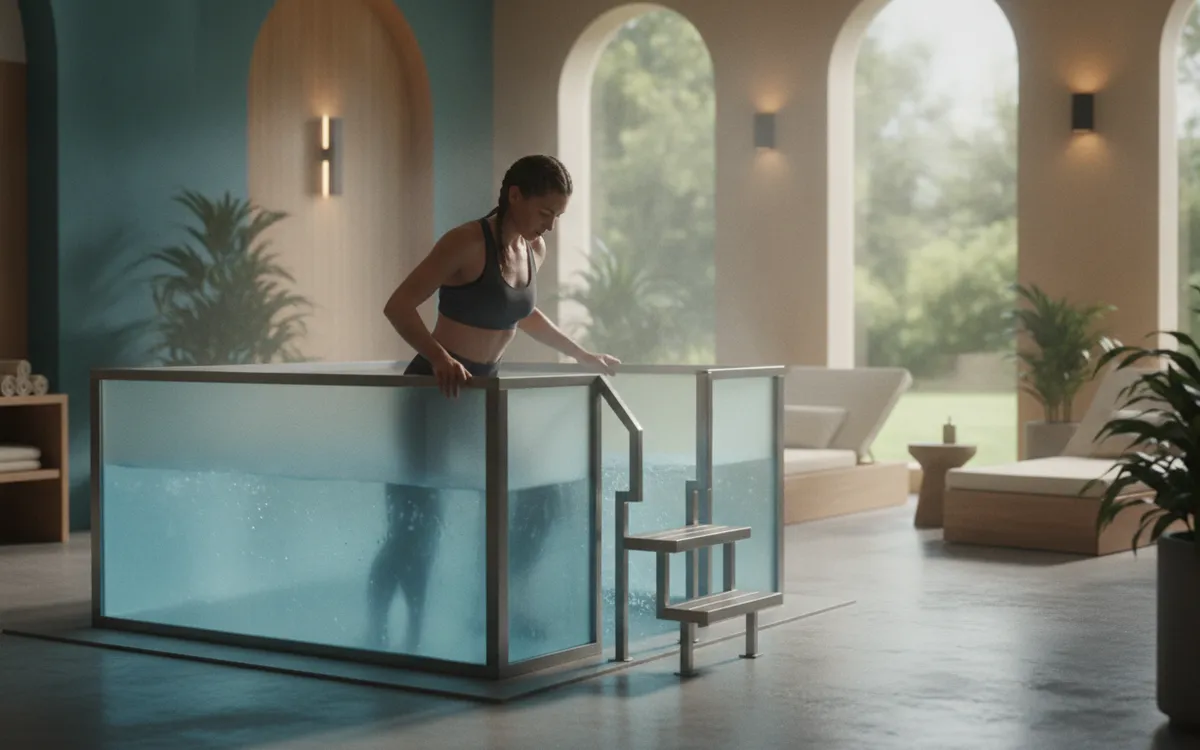
| Cold plunge pool | 5-15°C | Athletic recovery, inflammation, mood boost | Cold water guide |
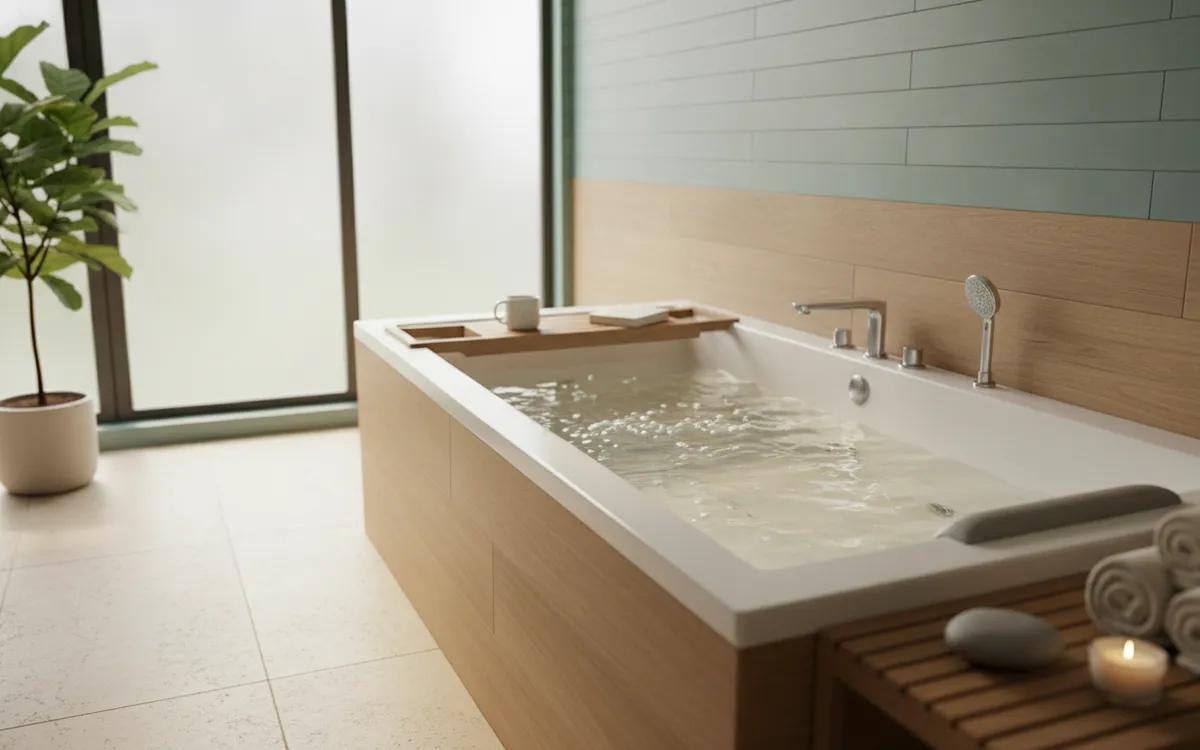
| Bathtub | Variable (tap dependent) | Home therapy — any application | Bath guide |
For equipment selection guidance, our equipment selection guide and affordable equipment review cover options for every budget and therapeutic need.
Frequently Asked Questions
What is the standard temperature for a hydrotherapy pool?
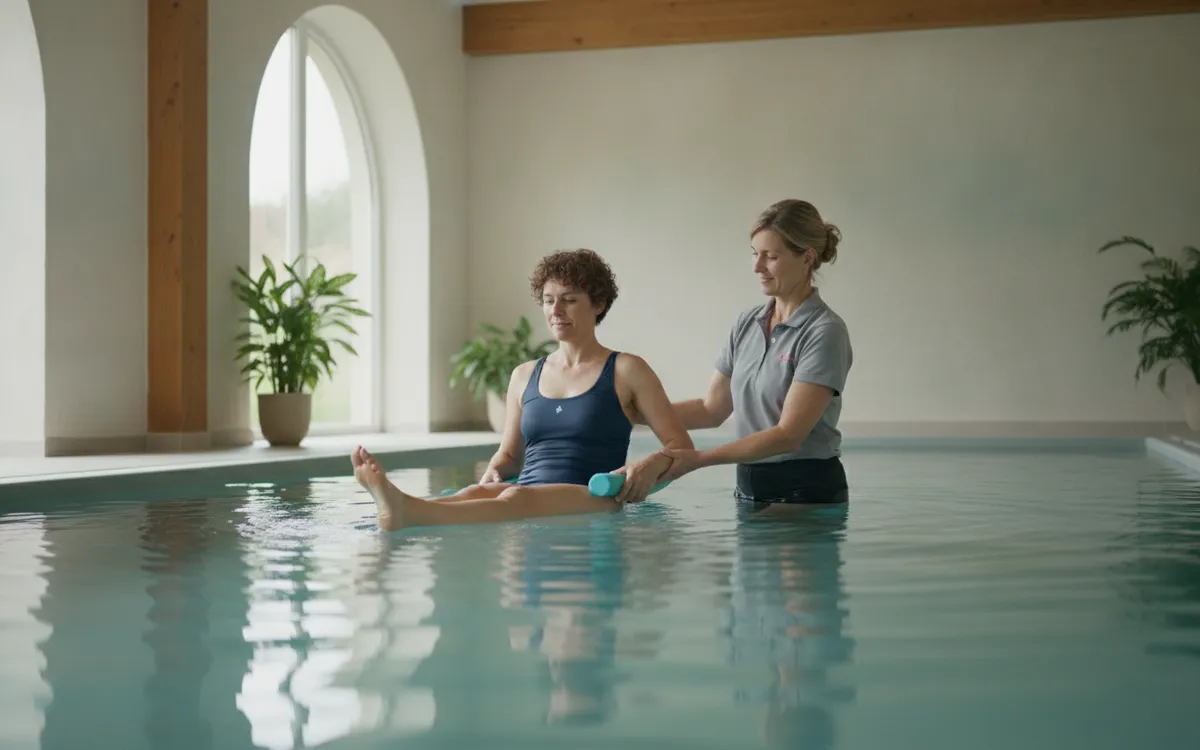
Dedicated hydrotherapy or therapy pools are typically maintained at 33-36°C (91-97°F), significantly warmer than standard swimming pools (26-29°C). This temperature range provides therapeutic warmth for muscle relaxation and pain relief while remaining cool enough for moderate exercise. Some facilities maintain multiple pools at different temperatures to serve different patient populations — for example, a warmer pool at 35°C for arthritis and pain patients, and a cooler pool at 29°C for MS patients and vigorous exercise classes.
Why is a regular swimming pool too cold for hydrotherapy?
Standard swimming pools (26-29°C) are designed for vigorous exercise where the body generates significant internal heat. This temperature is too cool for therapeutic applications because: it does not provide sufficient muscle relaxation for pain patients; it may increase stiffness in arthritic joints; it does not trigger the vasodilation needed for circulation benefits; and patients with neurological conditions or the elderly may become hypothermic during the slower, gentler movements of therapeutic exercise. The warmer temperatures of therapy pools (33-36°C) are essential for most rehabilitation and pain management applications.
Can I change the temperature of my hot tub for therapy?
Yes, and this is one of the advantages of owning a hot tub for home therapy. Most hot tubs have adjustable temperature settings from about 26°C to 40°C. For therapeutic exercise, lower the temperature to 33-35°C. For pre-sleep relaxation, 38-40°C is appropriate. For someone with MS, set it to 28-30°C. For pregnancy, keep it below 35°C. This adjustability makes a hot tub a versatile home therapy tool, though it lacks the space for full exercise programmes that a pool provides.
Is 40°C safe for a hot tub or bath?
For healthy adults, 40°C (104°F) is generally safe for sessions of 15-20 minutes. It is the standard maximum temperature for consumer hot tubs in many countries. However, it is NOT safe for: pregnant women (especially first trimester), children under 5, people with uncontrolled cardiovascular disease, people on medications that affect temperature regulation or blood pressure, and anyone with reduced sensation (neuropathy, SCI). If you have any health conditions, consult your doctor about safe bath temperatures. When in doubt, 37-38°C provides significant therapeutic benefit with lower risk.
How do I accurately measure water temperature at home?
The most reliable method is a dedicated bath or pool thermometer — either a floating model ($5-15) or a digital probe thermometer ($10-25). Do not rely on touching the water and guessing, as perception of temperature varies with room temperature, hand temperature, and individual sensitivity. Digital kitchen thermometers also work well for checking bath water. For ongoing home therapy, keeping a thermometer permanently in or near your bath ensures consistent, accurate temperatures for every session.
]]>