Hydrotherapy vs Cryotherapy: Comparing Warm Water Therapy, Cold Water Immersion, and Whole-Body Cryotherapy
This guide provides a direct, evidence-based comparison of warm water therapy, cold water immersion, and whole-body cryotherapy — their mechanisms, research support, practical applications, costs, and who benefits most from each approach.
Understanding the Three Approaches
Warm Water Hydrotherapy (33-40°C / 91-104°F)
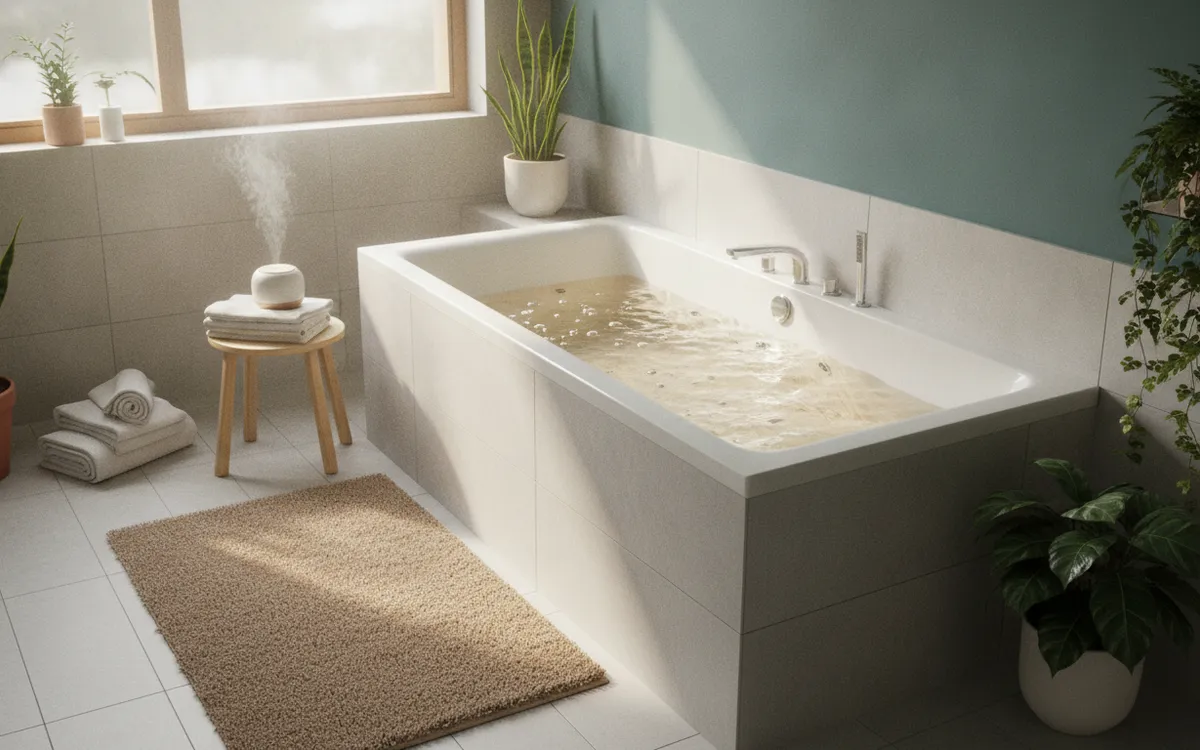
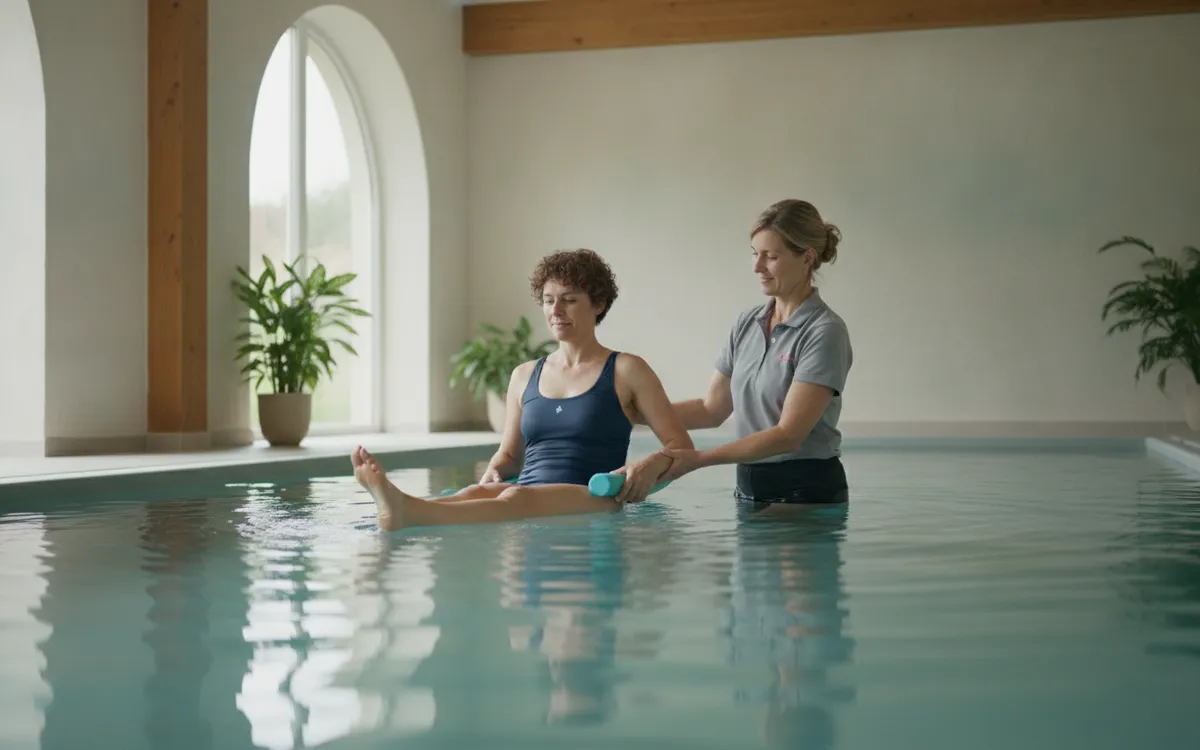
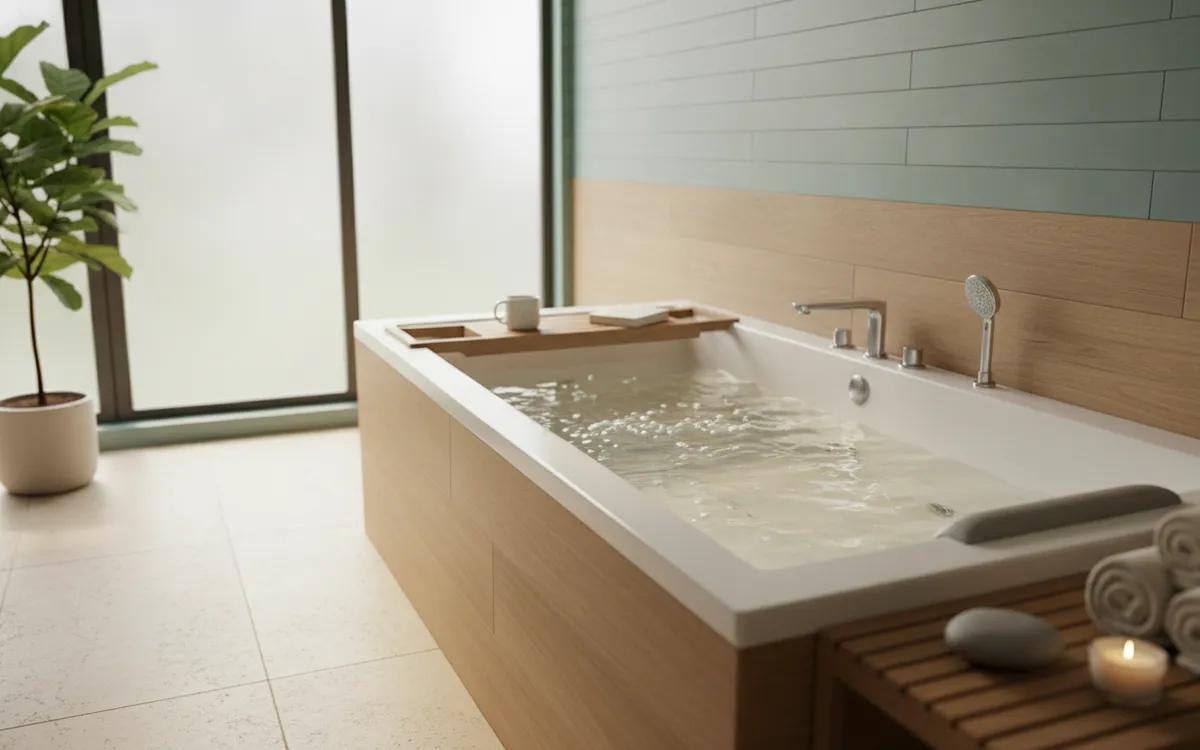
Warm water hydrotherapy uses heated water to relax muscles, increase circulation, reduce pain, and enable therapeutic exercise. It includes therapy pools, hydrotherapy tubs, warm baths, and aquatic exercise classes. The science behind these effects is covered in depth in our hydrotherapy science article and our warm water benefits guide.
Key mechanisms:
- Vasodilation increases blood flow to muscles and joints
- Muscle relaxation reduces spasm and pain
- Buoyancy enables therapeutic exercise with reduced joint loading
- Hydrostatic pressure reduces swelling and supports circulation
- Parasympathetic nervous system activation promotes relaxation
Cold Water Immersion (0-15°C / 32-59°F)
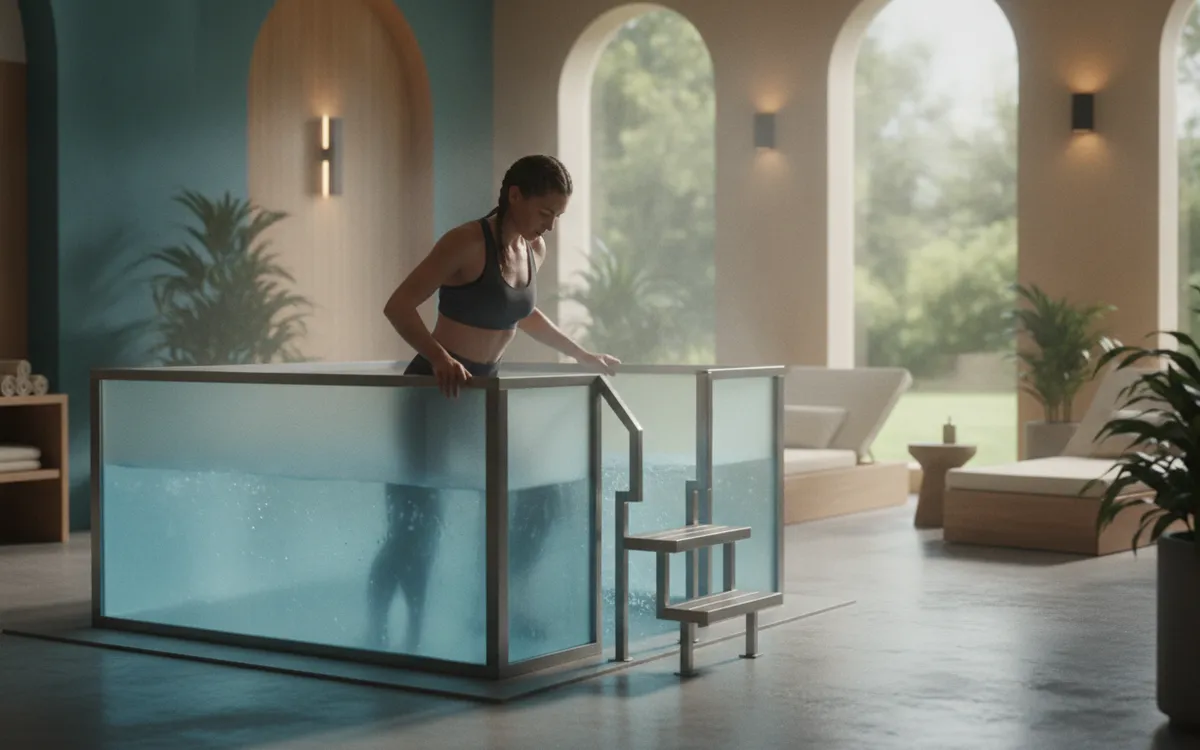
Cold water immersion (CWI) involves submerging the body in cold water for 5-15 minutes. This includes ice baths, cold plunge pools, and natural cold water swimming. Our cold water therapy guide covers the specific protocols.
Key mechanisms:
- Vasoconstriction reduces blood flow, limiting inflammation and swelling
- Numbing effect provides acute pain relief
- Reduced metabolic rate in tissues may limit secondary injury
- Sympathetic nervous system activation triggers endorphin release
- Post-immersion vasodilation flushes metabolic waste
Whole-Body Cryotherapy (WBC) (-110 to -140°C / -166 to -220°F)
WBC involves standing in a chamber filled with super-cooled air for 2-4 minutes. Unlike water immersion, there is no hydrostatic pressure or buoyancy benefit. The extreme cold triggers a powerful systemic response.
Key mechanisms:
- Extreme vasoconstriction throughout the body
- Significant endorphin and noradrenaline release
- Reduced nerve conduction velocity (acute pain relief)
- Anti-inflammatory cytokine changes (short-term)
- Sympathetic nervous system activation
Head-to-Head Comparison
| Factor | Warm Hydrotherapy | Cold Water Immersion | Whole-Body Cryotherapy |
|---|---|---|---|
| Muscle recovery | Good — relaxes muscles, increases blood flow | Good — reduces DOMS, limits inflammation | Moderate — similar to CWI but without hydrostatic benefit |
| Pain relief | Strong — sustained via muscle relaxation and endorphins | Strong — acute numbing effect | Moderate to strong — endorphin-driven, shorter duration |
| Inflammation reduction | Moderate — long-term through improved circulation | Strong — direct acute anti-inflammatory effect | Moderate — systemic anti-inflammatory changes |
| Chronic pain conditions | Strong — extensive evidence for arthritis, fibromyalgia, back pain | Limited — better for acute than chronic pain | Moderate — some evidence for fibromyalgia and RA |
| Exercise capability | Excellent — enables therapeutic exercise in water | None — too cold for exercise | None — too brief and cold for exercise |
| Mental health | Good — relaxation, stress reduction, improved sleep | Good — mood boost, resilience building | Moderate — temporary mood elevation from endorphins |
| Evidence quality | Strong — decades of research, multiple systematic reviews | Moderate to strong — growing evidence base | Weak to moderate — limited high-quality trials |
| Session duration | 20-60 minutes | 5-15 minutes | 2-4 minutes |
| Cost per session | Low to moderate (pool access or home bath) | Low (ice + bathtub) to moderate (cold plunge pool) | High ($30-80 per session) |
| Home accessibility | High — bathtub, inflatable pool, tub | High — bathtub + ice | Low — requires specialised chamber |
| Safety profile | Excellent — very few risks | Good — hypothermia risk with improper use | Moderate — burns, cardiovascular stress possible |
What the Research Actually Says
For Post-Exercise Recovery
A 2023 Cochrane review examining recovery modalities found that cold water immersion provides a small but meaningful reduction in delayed-onset muscle soreness (DOMS) compared to passive recovery. However, the same review noted that warm water immersion produced similar reductions in soreness with the added benefit of maintained range of motion.
Importantly, emerging research suggests that regular cold water immersion after resistance training may actually blunt muscle adaptation by suppressing the inflammatory signals needed for muscle growth. For athletes focused on building strength, warm water recovery may be more appropriate for training days, with cold reserved for competition recovery.
For Chronic Pain Conditions
Warm water hydrotherapy has a substantially larger evidence base for chronic pain management. Systematic reviews for conditions including arthritis, fibromyalgia, back pain, and chronic pain broadly consistently show benefits from warm water therapy.
Whole-body cryotherapy has shown some promise for fibromyalgia and rheumatoid arthritis, but the evidence is limited to small studies, and the effects appear to be shorter-lived than those from regular warm water therapy programmes.
For Mental Health
Both approaches show mental health benefits through different pathways. Warm water promotes parasympathetic activation (relaxation response), while cold exposure promotes sympathetic activation (stress hormone response followed by mood elevation). Regular cold water exposure has shown promising effects on depression in preliminary studies, while warm water therapy has a longer track record for anxiety, stress, and sleep improvement. Our mental health benefits of hydrotherapy article covers the warm water evidence in detail.
The Best of Both Worlds: Contrast Therapy
Rather than choosing one extreme, contrast therapy alternates between warm and cold to capture benefits from both. This approach has a strong evidence base and is accessible at home. Our comprehensive contrast water therapy guide covers the full science and protocols.
Contrast therapy advantages:
- Combines the muscle relaxation of warmth with the anti-inflammatory effects of cold
- Creates a vascular "pump" effect that enhances circulation more than either alone
- Activates both parasympathetic and sympathetic nervous systems
- Can be done at home with just a bathtub and ice, or two containers
- Moderate evidence for both acute recovery and chronic pain management
Choosing the Right Approach for Your Situation
| Your Goal | Best Choice | Why |
|---|---|---|
| Arthritis or joint pain management | Warm water hydrotherapy | Strongest evidence; enables exercise; sustained pain relief |
| Post-competition muscle recovery | Cold water immersion | Evidence supports DOMS reduction; practical and affordable |
| Post-training recovery (strength athletes) | Warm water or contrast | Cold may blunt muscle adaptation; warm maintains mobility |
| Fibromyalgia | Warm water hydrotherapy | Best evidence base; enables gentle exercise; sustained benefits |
| Acute injury (first 48 hours) | Cold water immersion | Reduces inflammation and swelling acutely |
| Chronic back or neck pain | Warm water hydrotherapy | Enables therapeutic exercise; muscle relaxation |
| Mood boost and energy | Cold water immersion | Endorphin and noradrenaline release; immediate mood lift |
| Stress and anxiety reduction | Warm water hydrotherapy | Parasympathetic activation; proven relaxation response |
| Post-surgical rehabilitation | Warm water hydrotherapy | Enables early movement; supports healing |
| General wellness routine | Contrast therapy | Combines benefits of both; evidence-supported; accessible |
Cost Comparison
| Approach | Home Setup Cost | Ongoing Cost | Facility Cost per Session |
|---|---|---|---|
| Warm bath therapy | Minimal (existing bathtub) | Water and energy costs | N/A |
| Warm hydrotherapy pool | $3,000-$30,000 (home pool) | Maintenance, energy | $10-30 (public pool) |
| Cold water immersion | $0-50 (bathtub + ice) | Ice costs ($5-10/session) | $15-40 (cold plunge facility) |
| Cold plunge tub | $500-$5,000 | Energy costs (chiller) | N/A |
| Whole-body cryotherapy | Not practical for home | N/A | $30-80 per session |
| Contrast therapy | Minimal (two containers) | Ice + water heating | $20-50 (spa facility) |
For home setup guidance, our affordable equipment guide, tub guide, and home pool review cover warm water options in detail.
Safety Comparison
Understanding the risks of each approach is essential. Our comprehensive risks guide covers warm water therapy risks in detail. Here's a comparative overview:
| Risk | Warm Hydrotherapy | Cold Water Immersion | Whole-Body Cryotherapy |
|---|---|---|---|
| Cardiovascular stress | Low | Moderate (cold shock response) | Moderate to high (extreme vasoconstriction) |
| Skin damage | Rare (burn from excessive heat) | Possible (frostbite from ice contact) | Possible (cryogenic burns) |
| Drowning risk | Present (always supervise) | Present (cold shock can impair breathing) | None (no water) |
| Infection risk | Low (maintained pools) | Low | Very low |
| Contraindicated conditions | Open wounds, fever, severe cardiac disease | Raynaud's, cold urticaria, uncontrolled cardiac disease | Raynaud's, cold urticaria, claustrophobia, pregnancy, cardiac disease |
Frequently Asked Questions
Is cryotherapy better than ice baths?
Despite the premium pricing of whole-body cryotherapy, research does not consistently show it outperforming cold water immersion (ice baths). A 2022 systematic review in Sports Medicine found no significant differences between WBC and CWI for muscle recovery, pain reduction, or inflammation markers. Ice baths actually offer one advantage that cryotherapy chambers cannot: hydrostatic pressure from water immersion, which independently aids recovery by reducing swelling. Given that CWI costs a fraction of WBC, ice baths generally offer better value for money.
Can I do both warm and cold therapy on the same day?
Yes — this is essentially what contrast therapy provides. You can also use warm water therapy in the morning (for mobility, relaxation, and therapeutic exercise) and cold exposure in the evening (for recovery and mood), or vice versa. The order depends on your goals. If recovery and inflammation reduction is primary, end with cold. If relaxation and sleep improvement is the goal, end with warm. There is no evidence that combining both in a day is harmful, provided each is performed safely.
How cold does water need to be for recovery benefits?
Research shows recovery benefits from cold water immersion at temperatures between 10-15°C (50-59°F) for 10-15 minutes. Water does not need to be ice-cold (0-5°C) to be effective — moderately cold water provides comparable benefits with less discomfort and lower cardiovascular risk. If you are new to cold water therapy, start at 15°C for 5 minutes and gradually decrease temperature and increase duration as tolerance develops.
Which approach is best for arthritis?
Warm water hydrotherapy has the strongest evidence base for arthritis management by a significant margin. The ability to exercise in warm water — combining pain relief, muscle relaxation, and therapeutic movement — produces both immediate and long-term benefits that cold therapy cannot match for arthritic joints. Cold may provide temporary pain relief, but it tends to increase stiffness in arthritic joints. If you have arthritis, prioritise warm water therapy. See our dedicated arthritis guide for specific protocols.
Is there anyone who should avoid both hot and cold therapy?
People with severe, uncontrolled cardiovascular disease should approach both extremes with caution, as temperature extremes stress the cardiovascular system. Those with peripheral neuropathy (reduced sensation) risk burns or frostbite because they cannot accurately gauge temperature. Pregnant women should avoid extremes of both hot (above 35°C) and cold (below 15°C). Anyone on medications that affect temperature regulation, blood pressure, or blood clotting should consult their doctor before either approach. When in doubt, moderate temperatures (warm baths at 36-38°C, cool water at 18-20°C) provide benefits with minimal risk.
]]>