Hydrotherapy Certification and Training: How to Become a Qualified Aquatic Therapist, What Credentials Matter, and Where to Study
Careers in Aquatic Therapy: A Growing Field
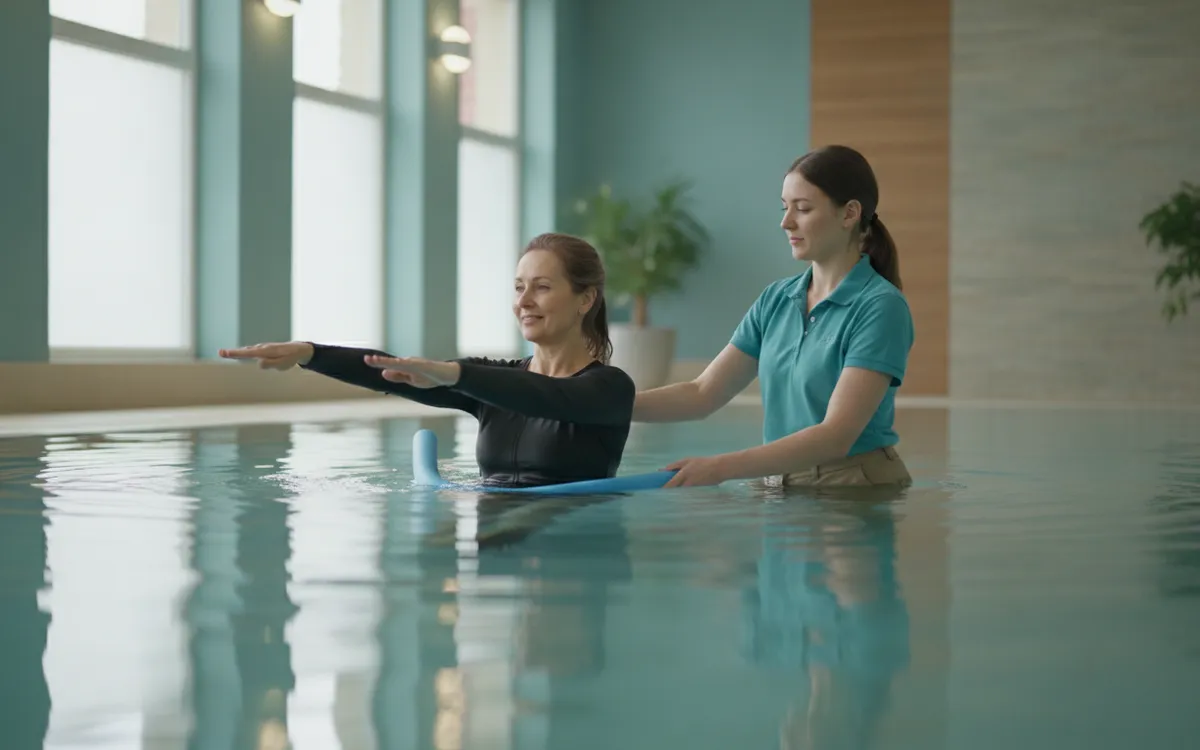
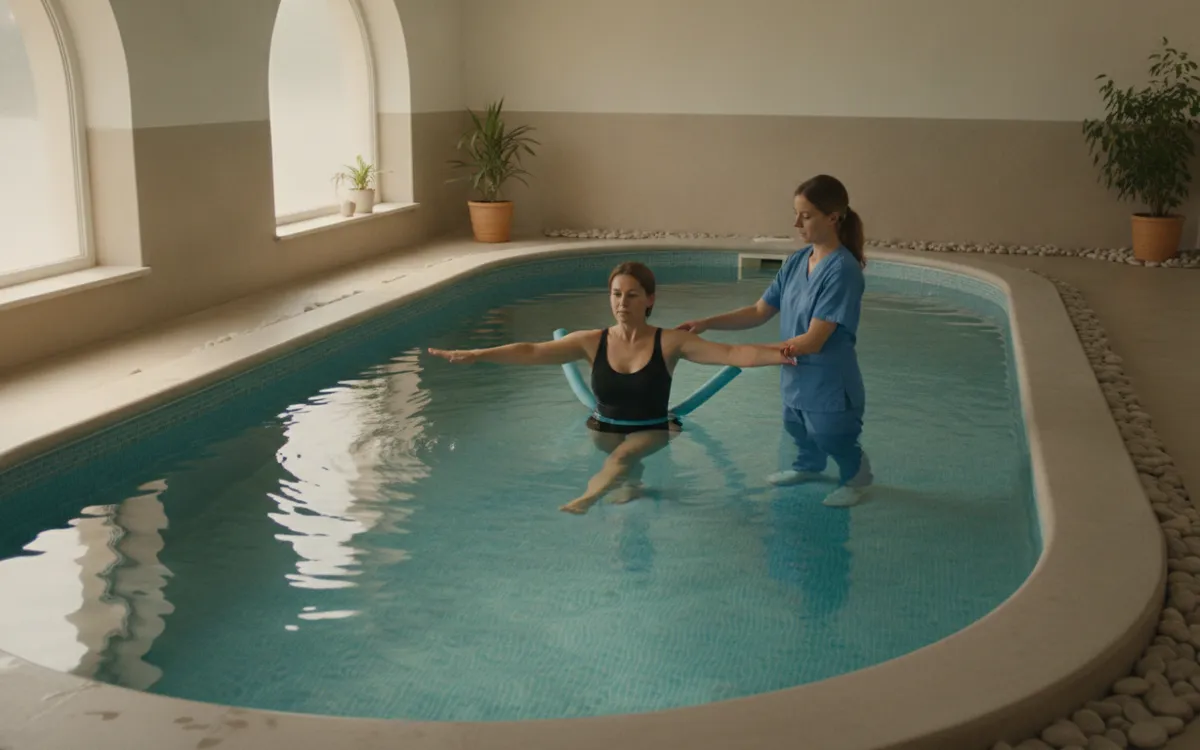
Aquatic therapy is one of the fastest-growing specialisations in rehabilitation and wellness. As the evidence base for water-based treatment continues to expand (covering everything from post-surgical recovery to neurological rehabilitation) demand for qualified aquatic therapists has grown significantly. Whether you're a licensed physical therapist looking to add aquatic skills, a fitness professional wanting to offer water-based classes, or someone considering a career change into aquatic therapy, this guide explains the pathways, certifications, and training options available.
Understanding the different types of aquatic therapy helps clarify which certification path is right for you. See our overview of types of hydrotherapy and what hydrotherapy involves.
Career Paths in Aquatic Therapy
| Role | Prerequisites | Scope of Practice | Typical Salary (US) |
|---|---|---|---|
| Aquatic Physical Therapist | Doctor of Physical Therapy (DPT) + aquatic certification | Full clinical aquatic rehabilitation; diagnose and treat | $75,000 to $100,000+ |
| Aquatic Occupational Therapist | Master's/Doctorate in OT + aquatic training | Functional rehabilitation in water; ADL training | $70,000 to $95,000 |
| Physical Therapy Assistant (Aquatic) | Associate degree PTA + aquatic training | Implement aquatic programs under PT supervision | $45,000 to $65,000 |
| Aquatic Exercise Instructor | Fitness certification + aquatic specialisation | Group exercise classes; wellness-focused programs | $30,000 to $55,000 |
| Canine Hydrotherapist | Animal hydrotherapy certification | Aquatic rehabilitation for dogs and animals | $30,000 to $50,000 |
| Spa/Wellness Hydrotherapist | Massage therapy or esthetics + hydro training | Spa-based water treatments; wellness programs | $35,000 to $55,000 |
Major Aquatic Therapy Certifications
Aquatic Therapy and Rehabilitation Industry Certification (ATRIC)
The ATRIC certification is one of the most recognised credentials in aquatic therapy. Key details:
- Who it's for: Licensed PTs, PTAs, OTs, OTAs, and Athletic Trainers
- Requirements: Current healthcare license, completion of approved aquatic therapy coursework (minimum 15 hours), clinical experience documentation, and passing the ATRIC examination
- Renewal: Every 2 years with continuing education credits
- Recognition: Widely accepted across the US for insurance billing and clinical credentialing
Aquatic Exercise Association (AEA) Certifications
The AEA offers certifications for fitness professionals:
- Aquatic Fitness Professional (AFP): The primary certification for group aquatic fitness instructors
- Aquatic Therapy and Rehab Certificate: For fitness professionals working with special populations (not a clinical credential)
- Requirements: Current CPR/AED certification, passing written and practical examinations
- Best for: Fitness professionals wanting to lead aquatic exercise classes
Halliwick Concept Certification
The Halliwick concept is a specialised approach to aquatic therapy originally developed for people with disabilities:
- Levels: Foundation (Level 1), Intermediate (Level 2), Advanced (Level 3)
- Focus: Teaching water adjustment, balance, and independent movement in water
- Available through: International Halliwick Association (IHA) and national member organisations
- Best for: Therapists working with neurological conditions, developmental disabilities, and paediatric populations
Watsu (Water Shiatsu) Certification
Watsu is a specialised form of aquatic bodywork:
- Training path: Watsu I (50 hours) → Watsu II (50 hours) → Practitioner certification
- Available through: Worldwide Aquatic Bodywork Association (WABA)
- Best for: Massage therapists and bodyworkers wanting to add aquatic modalities
Ai Chi Certification
Ai Chi is a water-based relaxation and strengthening technique combining tai chi principles with aquatic therapy:
- Training: Typically 2 to 3 day workshops with practical and written components
- Best for: Therapists and instructors wanting a gentle, meditative aquatic approach
- Application: Especially effective for seniors, neurological patients, and stress management
Training Program Considerations
What to Look for in a Training Program
- Accreditation: Ensure the program is recognised by relevant professional bodies
- Practical component: Quality programs include hands-on pool-based training, not just classroom instruction
- Evidence-based curriculum: Look for programs that teach research-supported techniques
- Clinical mentorship: Supervised clinical hours with experienced aquatic therapists are invaluable
- Insurance billing education: Understanding CPT codes and documentation requirements is essential for clinical practice
- Condition-specific modules: Training in specific populations (paediatric, neurological, orthopaedic, geriatric)
Continuing Education Requirements
Most aquatic therapy certifications require ongoing professional development:
- Clinical certifications: Typically 15 to 30 CEU hours every 2 years
- Fitness certifications: Usually 15 to 20 CEU hours every 2 years
- Sources for CEUs: Conferences, workshops, online courses, published research, and professional journal reading
Specialisation Areas
Experienced aquatic therapists often specialise in specific populations:
- Orthopaedic aquatic therapy: Post-surgical rehabilitation, sports injuries, chronic pain, see our guides on post-surgical recovery and athletic hydrotherapy
- Neurological aquatic therapy: Stroke, MS, Parkinson's, spinal cord injury
- Paediatric aquatic therapy: Cerebral palsy, developmental delays, paediatric rehabilitation
- Geriatric aquatic therapy: Arthritis, balance training, fall prevention for seniors
- Aquatic pain management: Fibromyalgia, chronic pain, complex pain conditions
- Canine hydrotherapy: A growing field with its own certification pathways, see our dog hydrotherapy overview
Setting Up an Aquatic Therapy Practice
For therapists considering starting or expanding into aquatic therapy:
- Facility requirements: Therapy pools should maintain temperatures of 30 to 35°C with proper filtration, accessibility features, and adjustable depth options. See our guide to understanding hydrotherapy pools
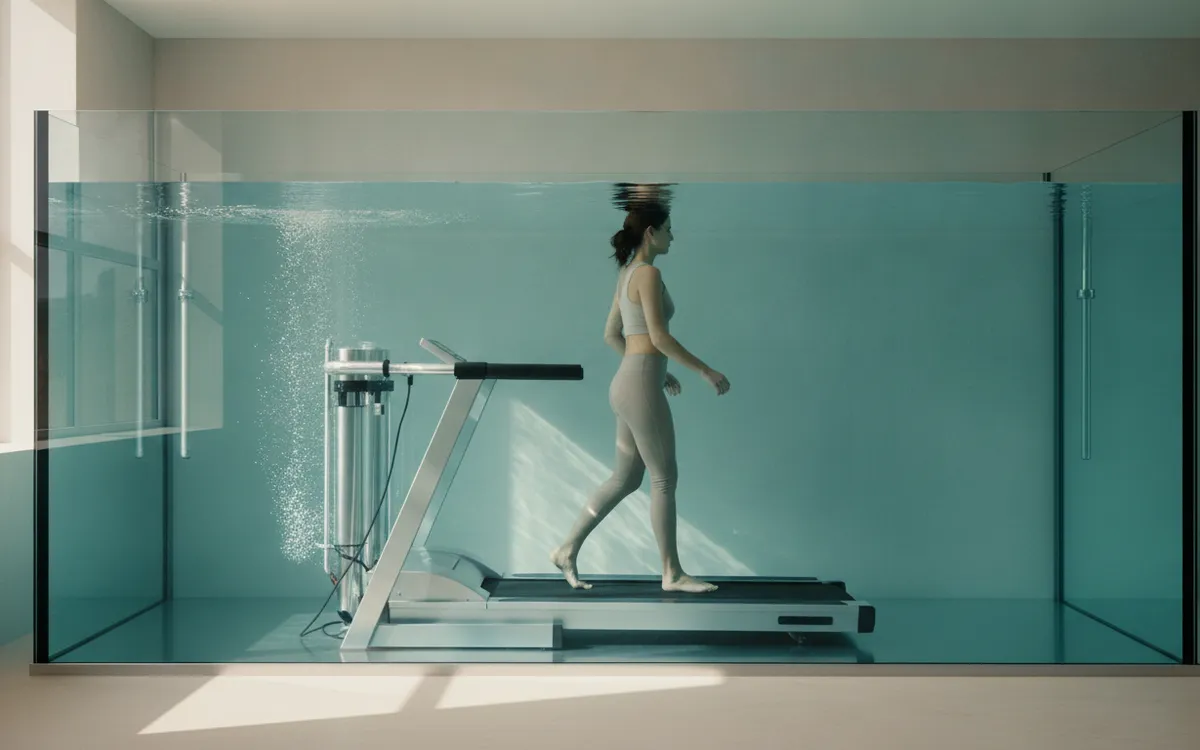
- Equipment needs: Aquatic exercise tools, underwater treadmills (see our treadmill guide), resistance equipment, and safety gear. See choosing the right equipment
- Pool maintenance: Therapy pool maintenance requires specialised knowledge, see our guides on pool maintenance and equipment cleaning
- Insurance and billing: Understanding CPT code 97113 (aquatic therapy) and documentation requirements for reimbursement
Frequently Asked Questions
Do I need to be a physical therapist to do aquatic therapy?
It depends on what you mean by "aquatic therapy." Clinical aquatic therapy (treating medical conditions, injuries, and disabilities) requires a licensed healthcare credential (PT, OT, or similar). Aquatic fitness instruction (leading exercise classes for general wellness) requires a fitness certification with aquatic specialisation but not a healthcare license. The distinction matters for insurance billing, scope of practice, and legal liability.
How long does it take to become a certified aquatic therapist?
If you're already a licensed PT or OT, aquatic therapy certification typically requires 15 to 50 hours of additional training plus clinical experience, achievable in 3 to 6 months alongside regular work. If you're starting from scratch, the full pathway includes a doctorate in physical therapy (3 years post-bachelor's) followed by aquatic specialisation. Aquatic fitness instructor certification takes 2 to 6 months for someone with existing fitness credentials.
Is there demand for aquatic therapists?
Yes, and growing. The ageing population, increasing prevalence of obesity and chronic conditions, post-pandemic interest in wellness, and expanding evidence base for aquatic therapy all drive demand. Aquatic therapy facilities are among the most in-demand amenities at rehabilitation centres, hospitals, and senior living communities. PTs with aquatic specialisation often have higher earning potential and better job prospects than generalists.
Can I do aquatic therapy training online?
The theoretical component of most aquatic therapy certifications is available online, including anatomy, physiology, principles of hydrodynamics, and condition-specific protocols. However, all reputable certifications require hands-on practical training in a pool environment. Expect a hybrid approach: online coursework for theory, followed by intensive practical workshops at a pool facility.
What's the difference between aquatic therapy and aquatic fitness?
Aquatic therapy is provided by licensed healthcare professionals (PTs, OTs) to treat specific medical conditions, is based on individual clinical assessment and treatment plans, and can be billed to insurance. Aquatic fitness is led by certified fitness instructors for general health and wellness, typically in group class formats, and is usually paid out-of-pocket. Both use water's properties therapeutically, but the clinical depth, scope, and legal authority differ significantly.